-
Watch 3 videos of testimonials from LGBTQ+ people.
It’s often said that a good practice for allies is to listen to LGBTQ+ people. Fortunately, there’s a lot of videos for you to watch. Here are just a couple of examples:
Video 1
Video 2
Video 3 -
Follow 3 social media pages of LGBTQ+ people with diverse identities
Another way to listen to LGBTQ+ people is to follow them on social media. -
Watch a movie or start a TV series related to LGBTQ+ realities
Did you know? The National Film Board of Canada has short films and feature films related to sexual and gender diversity available to watch online for free! -
Listen to a podcast about LGBTQ+ issues
Whether you’re on the subway, stuck in traffic, or doing the dishes, podcasts make information about LGBTQ+ issues more accessible than ever—take advantage of them! -
Start reading a book or comic about LGBTQ+ issues
Tip: Check out the featured titles at your local library! -
Have an open conversation with a loved one:
Here are some examples of questions you might ask:- Have you ever had close friends who were LGBTQ+?
- Have you ever witnessed homophobia or transphobia?
-
Ask your workplace, school, or municipality to commit to greater inclusion regarding sexual and gender diversity
For example, you could ask that May 17 be recognized, that gender-neutral restrooms be installed, that people be allowed to include their pronouns in their email signatures, or that training on sexual and gender diversity be provided. - Test your implicit biases toward same-sex couples
-
Reflect on your relationship to sexual and gender diversity
Here are some questions to ask yourself:- Have I ever felt (or do I still feel) uncomfortable with sexual and gender diversity? Where does this discomfort come from?
- How does being an ally align with my values?
- Have I ever witnessed homophobia/transphobia? How did that make me feel? How would I have wanted to respond?
-
Becoming aware of one’s own identities
When one’s identity is part of the majority, it is often taken for granted; it exists “by default” without requiring any thought, and thus seems “normal” to us. Yet heterosexuality is a sexual orientation just like homosexuality, bisexuality, or asexuality. Becoming aware of one’s own identity is a step toward recognizing the identities of others.


THERE’S NO RAINBOW WITHOUT RAIN AND SUNSHINE
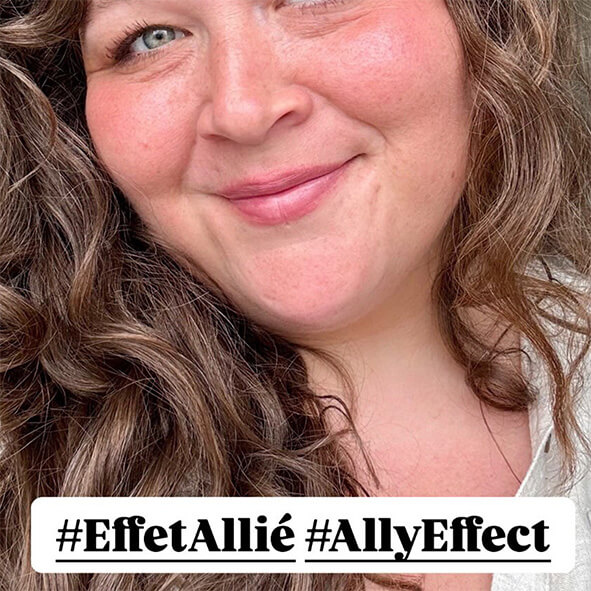
In the same way, there is no real support without allies. That’s why we created the Ally Effect—a symbol that combines the strength of both and allows allies to stand proudly alongside LGBTQ+ communities.
Just as rain and sun combine to create a rainbow, allies and communities come together to build a more inclusive and safer world.
Every action counts. Every voice counts.
What is an ally?
An ally is someone who acts in solidarity with a marginalized group they don’t belong to. In the context of sexual and gender diversity, it refers to someone who supports LGBTQ+ people’s struggles for full equality.
A person from one LGBTQ+ group can also be an ally to another group (e.g. a lesbian supporting trans rights). The term can also apply to organizations that promote inclusion in their environments.
What can we do concretely?
WEAR THE SYMBOL WITH PRIDE

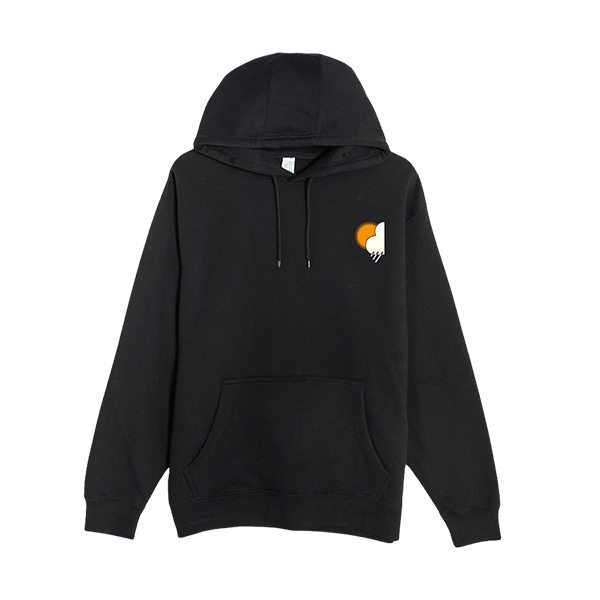


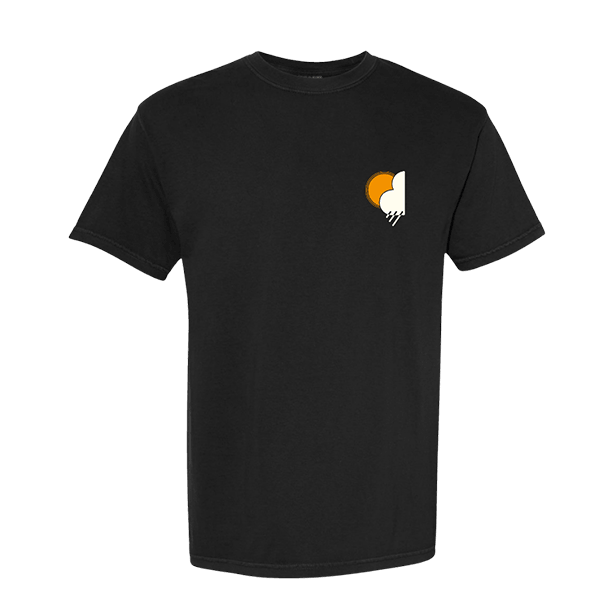

The Allied Effect is on the move
On May 17, we march. Together.
The Fondation Émergence invites you to the 3rd edition of its community march on May 17, in observance of the International Day Against Homophobia and Transphobia.
Date: May 17 at 1 p.m.
Location: Place des Festivals (Place-des-Arts metro station)
In a climate marked by a rise in hate speech and rollbacks of rights, it is more important than ever to come together and make our voices heard.
This year, join the Allied Effect.
Come march alongside the LGBTQ+ communities.
Friends, families, colleagues, neighbors — your presence matters.
To say no to setbacks.
To say no to hate.
To show that we are here.
Let's make the Ally Effect bigger, more visible and more united.

Every ally counts

An initiative of:
Fondation Émergence
-
In close partnership with:
-
-
Main partners:
-
-
Media partner:
-


